How My Hobby Became the Key to Long-Term Body Recovery
Eighty words ago, I was stuck—chronic fatigue, low energy, and a body that felt broken. Doctors helped, but progress stalled. Then I rediscovered something simple: a hobby I’d abandoned for years. Not medicine, not intense therapy, but joy-driven activity slowly rebuilt my strength. This isn’t a cure. It’s a real, long-term shift. I’ll share how passion, consistency, and small wins transformed my recovery in ways I never expected. What began as a quiet escape became the foundation of physical renewal—not through force, but through the gentle rhythm of doing something I loved.
The Hidden Cost of Ignoring Joy in Recovery
When the body is healing, attention often turns to prescriptions, rest schedules, and nutritional plans. These are essential, but they rarely address a deeper truth: recovery is not only a physical process—it is also emotional and psychological. Without emotional engagement, even the most disciplined routines can lose their power. Many people in long-term recovery reach a plateau not because their medical care is insufficient, but because their daily lives lack a sense of purpose or pleasure. This emotional void can quietly erode motivation, making it harder to stick with treatments or notice small improvements. The result is a cycle of frustration—doing everything right, yet feeling stuck.
Science supports the idea that emotional well-being directly influences physical healing. Dopamine, a neurotransmitter associated with reward and motivation, plays a critical role in how the brain perceives effort and progress. When dopamine levels are low—common in chronic illness or prolonged recovery—tasks feel more exhausting, and setbacks feel more devastating. Activities that bring joy naturally stimulate dopamine release, creating a feedback loop that makes continued effort feel worthwhile. This is not merely psychological comfort; it has measurable effects on inflammation, pain perception, and muscle regeneration. Studies have shown that patients who engage in enjoyable daily activities report lower pain scores and faster functional improvement than those who focus solely on clinical interventions.
Yet joy is often treated as a luxury in recovery, something to be earned only after healing is complete. This mindset delays progress. The body does not heal in isolation—it responds to context, rhythm, and emotional safety. A life filled only with medical appointments and restrictions sends a subconscious message: “You are broken.” In contrast, incorporating even small moments of delight signals to the nervous system: “You are still alive, still capable.” This subtle shift can reignite the internal drive needed to sustain long-term recovery. Healing is not just about repairing tissue; it is about restoring a relationship with one’s body. And that relationship thrives not on obligation, but on moments of connection, curiosity, and joy.
Why Hobbies Matter More Than We Think
Hobbies are often dismissed as leisure—something people do when they have extra time or energy. But for those in recovery, hobbies can serve a far more vital function. They provide structure, repetition, and micro-goals that quietly train both the mind and body to rebuild. Unlike formal therapy, which often carries the weight of expectation, hobbies operate on intrinsic motivation. There is no pressure to improve, yet improvement happens anyway. Whether it’s tending to houseplants, baking bread, or learning to knit, these activities involve physical movement, cognitive focus, and emotional regulation—all of which support healing in meaningful ways.
Consider the physical mechanics of many low-intensity hobbies. Gardening, for example, involves bending, reaching, gripping, and fine motor control. These movements, though gentle, stimulate blood flow, improve joint mobility, and strengthen stabilizing muscles. Painting requires sustained posture, hand-eye coordination, and breath control, all of which enhance neural connectivity. Playing a musical instrument engages both hemispheres of the brain, reinforcing neuroplasticity—the brain’s ability to reorganize and form new neural pathways. These are not trivial benefits. For someone recovering from prolonged illness or injury, such activities offer a non-threatening way to retrain the body without triggering fear or fatigue.
Equally important is the rhythm that hobbies create. Recovery can feel chaotic—symptoms fluctuate, energy levels shift, and progress is rarely linear. A regular hobby introduces predictability. It becomes a daily anchor, a moment of control in an otherwise uncertain journey. This consistency helps regulate the nervous system, reducing the chronic stress that often accompanies long-term health challenges. Moreover, hobbies provide a sense of accomplishment that is not tied to medical metrics. Completing a puzzle, finishing a crochet row, or watching a seedling sprout—these small victories reinforce the belief that effort leads to results. Over time, this builds resilience, not just physically, but emotionally. The body learns that movement is not always a threat, and the mind learns that progress is possible, even in small doses.
My Turnaround: From Burnout to Daily Motion
For years, I managed a demanding job while caring for aging parents and raising two children. The constant pressure took a toll—first on my sleep, then on my digestion, and eventually on my energy. I visited multiple doctors, adjusted my diet, and tried various supplements. I followed every recommendation, yet I remained exhausted. Simple tasks—walking up stairs, carrying groceries—left me breathless. Physical therapy helped initially, but after a few months, my progress stalled. I felt trapped in a body that no longer responded to effort. I wasn’t in pain, but I wasn’t living, either. I existed in a state of functional survival, moving through the motions without joy.
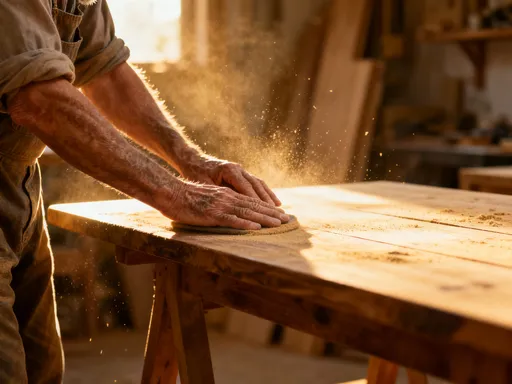
Then, one weekend, I found an old wooden box in the attic. Inside were chisels, sandpaper, and a half-finished birdhouse I had started decades earlier. On a whim, I sat at the kitchen table and began sanding the edges. I wasn’t trying to heal—I was just passing time. But something shifted. For the first time in months, I was focused on something other than my symptoms. My hands remembered movements they hadn’t used in years. The rhythmic motion of sanding was calming. I didn’t finish the project that day, but I returned to it the next. And the next.
Slowly, I noticed changes. Standing at the workbench for 10 minutes became 20, then 30. My grip strength improved as I learned to handle tools again. The act of measuring, cutting, and assembling required mental focus, which distracted me from anxiety. I began sleeping better. My breathing deepened. I wasn’t doing formal exercises, but my body was moving in ways that mattered. The turning point came when I realized I no longer dreaded walking to the mailbox. That small victory—something I had taken for granted—felt monumental. My hobby hadn’t cured me, but it had created a space where healing could happen. It gave me back a sense of agency, not through force, but through engagement. I wasn’t fighting my body anymore; I was working with it, one small project at a time.
Choosing the Right Hobby for Your Body’s Needs
Not every hobby is suitable for every stage of recovery. The key is alignment—matching the activity to your current physical capacity, energy levels, and emotional needs. A hobby should not cause pain or exhaustion. Instead, it should feel like a gentle invitation to move, think, or create. For someone with joint pain or limited mobility, high-motion activities like dancing or hiking may not be feasible. But low-impact options—such as sketching, journaling, or listening to and organizing music—can still provide meaningful engagement. The goal is not intensity, but consistency and enjoyment.
Consider your physical limitations as design parameters, not barriers. If standing for long periods is difficult, choose a seated activity like knitting, embroidery, or model building. If fine motor skills are affected, try larger tools or adaptive grips. Someone recovering from surgery might start with voice journaling or listening to audiobooks while gently stretching. The act of choosing materials, organizing supplies, or planning a project still involves cognitive and physical engagement, even if the movements are minimal. The brain responds to purposeful action, no matter how small.
Equally important is cognitive load. During recovery, mental fatigue is common. A hobby should not feel like another task to complete. Simplicity is key. Activities with clear, repetitive patterns—like coloring, beadwork, or tending to a single houseplant—can be soothing rather than draining. They provide just enough stimulation to stay engaged without overwhelming the system. Over time, as stamina improves, complexity can increase. The progression should feel natural, not forced. The right hobby meets you where you are, not where you think you should be. It respects your limits while gently expanding them, creating a sustainable path forward.
The Long-Term Payoff: Consistency Over Intensity
Quick fixes rarely last. Lasting recovery comes not from dramatic efforts, but from daily, sustainable habits. This is where hobbies shine. Unlike intense workouts or strict regimens, which often lead to burnout, a hobby can be maintained for years. The benefits are not immediate, but they compound over time. Fifteen minutes a day of focused, enjoyable activity can improve sleep quality, reduce inflammation, and enhance circulation. These changes may go unnoticed at first, but they create the internal conditions necessary for deeper healing.
Research supports the long-term impact of leisure activities on health. Studies have linked regular engagement in hobbies with lower cortisol levels, improved immune function, and reduced risk of chronic conditions such as hypertension and depression. One longitudinal study found that adults who participated in creative or social hobbies had a 30% lower risk of cognitive decline over a ten-year period. These benefits are not due to the hobby itself, but to the consistency of engagement. The brain and body thrive on rhythm. When an activity becomes a regular part of daily life, it stabilizes the nervous system, reduces stress reactivity, and enhances resilience.
Tracking progress in a hobby looks different than in traditional therapy. Instead of measuring strength or range of motion, you might notice subtler shifts: you can hold a paintbrush longer without hand fatigue, focus for 20 minutes without mental fog, or feel less stiffness after a session. These small indicators are meaningful. They reflect real improvements in endurance, coordination, and neurological function. Over months, they add up. The key is patience. Healing is not a race. It is a slow reintegration of body and mind, supported by the quiet discipline of showing up, not to fix yourself, but to do something that feels good. That shift in intention—from obligation to choice—is what makes consistency possible.
Building a Recovery-Driven Hobby Routine
Starting a hobby during recovery requires intention and gentleness. The goal is not to add another task to your day, but to create a space for restoration. Begin by setting aside just 10 to 15 minutes, three times a week. Treat this time as non-negotiable, like a therapy appointment. Choose a time when your energy is most stable—perhaps mid-morning or early afternoon. Start with exploration. Try different activities without pressure to commit. Spend one week sketching, the next gardening, the next listening to music and writing reflections. Pay attention to how your body responds. Which activity leaves you feeling calm? Which one causes tension or fatigue? Let your body guide your choice.
Once you find a hobby that feels sustainable, build a simple routine. A four-week plan can help establish momentum. Week one is about curiosity—show up, engage, and observe. Week two introduces consistency—aim to practice every other day. Week three focuses on duration—gradually extend the time by five minutes at a time. Week four is for reflection—review what has changed, physically and emotionally. Did your hands feel steadier? Was your mind quieter? Did you look forward to the activity? These reflections are not about judgment, but awareness.
Tools can support the process without adding pressure. A simple habit tracker—marking days on a calendar—can reinforce continuity. Voice notes or a journal can capture subtle shifts. The goal is not perfection, but presence. If you miss a day, there is no failure—just a return when ready. The most important rule is to listen to your body. If an activity causes pain or exhaustion, scale back. Recovery is not about pushing through, but about learning to move in harmony with your limits. Over time, the hobby becomes less of a routine and more of a refuge—a place where healing happens quietly, without demand or expectation.
Beyond the Hobby: A Lifestyle Shift
With time, something profound happens. The hobby stops being a tool for recovery and becomes part of who you are. You are no longer just “someone recovering”—you are a gardener, a painter, a woodworker, a baker. This shift in identity is powerful. It moves you from a passive role—patient, recipient of care—to an active one—creator, maker, contributor. That change in self-perception fuels deeper healing. When you see yourself as capable of creating something beautiful or useful, your relationship with your body transforms. You begin to trust it again. You notice its strengths, not just its limitations.
This is not about achieving mastery. It is about reconnection. The act of making, growing, or crafting reminds you that you are still alive, still engaged with the world. It restores a sense of agency—the knowledge that you can influence your experience, even in small ways. Over time, this confidence spills into other areas of life. You make bolder choices, set healthier boundaries, and reclaim parts of yourself that illness had buried. The hobby becomes a metaphor for recovery: slow, imperfect, but deeply meaningful.
Ultimately, long-term body recovery is not just about returning to how you were. It is about becoming who you are now. And that journey is not one of force, but of invitation. It asks you to be patient, compassionate, and open to joy—even when healing feels slow. The quiet power of doing something just because it feels good cannot be measured in medical tests, but it is real. It is the steady rhythm of sanding wood, the scent of soil on your hands, the satisfaction of a finished stitch. These moments do not erase illness, but they make space for life to return. And sometimes, that is enough.