This Is What Slow Travel Feels Like in Taupo
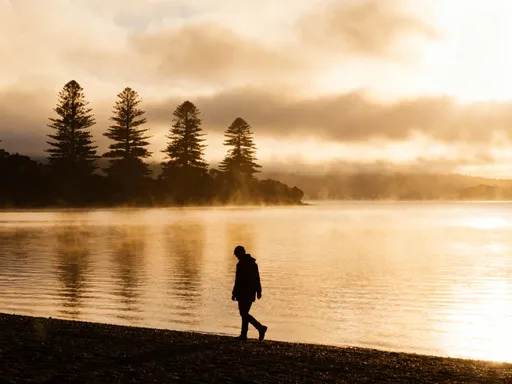
You know that rush of checking off landmarks in one crowded day? Yeah, I used to love it—until I got to Taupo. Slowing down here wasn’t a plan; it just happened. Between misty mornings by the lake, quiet forest walks, and unplanned stops at local spots, I realized something: travel isn’t about how much you see, but how deeply you feel it. Taupo taught me to breathe, linger, and truly connect—with nature, with people, and with the moment. It wasn’t a dramatic shift, but a quiet unfolding. The kind that starts with a sunrise you didn’t set an alarm for, and ends with a conversation you didn’t expect to have. In a world that measures journeys by speed and quantity, Taupo offers a different rhythm—one that moves with the water, the wind, and the breath.
The Allure of Slowing Down in a Scenic Town
Taupo sits in the heart of New Zealand’s North Island, cradled beside the largest lake in the country and surrounded by ancient mountains, active volcanoes, and forests that have stood for centuries. The town itself is modest in size but rich in presence. Its streets are lined with low-rise buildings, many with views of the water, and the pace of life follows the natural world more than the clock. There are no traffic jams that last more than a few minutes, no towering hotels blocking the skyline. Instead, there’s space—room to walk, to pause, to look up and notice how the light shifts across the peaks of Mount Tauhara by mid-morning.
Slow travel, in its essence, is not just about moving at a leisurely speed. It is about intention. It means arriving not to collect experiences but to inhabit them. In Taupo, this mindset emerges naturally. Visitors often come for the adventure sports—bungee jumping, jet boating, skydiving—but many stay longer than planned, drawn instead to quieter rhythms. The lake becomes a mirror not just of the sky, but of one’s own inner state. A morning walk along the waterfront path, where the only sounds are the lap of waves and the distant cry of a gull, can recalibrate the nervous system in ways no adrenaline rush ever could.
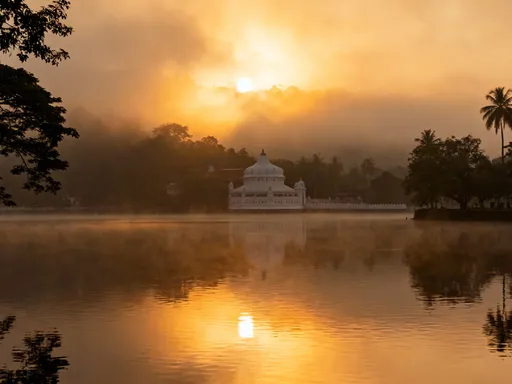
Contrast this with the typical fast-paced tourist itinerary: arrive by rental car, snap a photo at the famous Huka Falls lookout, grab a coffee, drive to a guided tour, tick off another box. That model treats places as items on a list. But Taupo resists such treatment. The more you try to rush through it, the more it seems to recede. The real magic reveals itself only when you stop trying to capture it. It appears in the way the mist clings to the lake surface at dawn, lifting slowly as the sun warms the air. It’s in the scent of wet pine needles after a brief shower, or the soft rustle of ferns as a pūkeko steps quietly through the undergrowth.
These sensory impressions accumulate not in a single moment, but over days. They form a kind of quiet awareness that lingers. The body begins to sync with the environment—waking earlier without an alarm, moving more deliberately, speaking in lower tones. There’s no pressure to perform, to be seen, or to prove you were there. In Taupo, being present is enough. And in that simplicity, there is a profound kind of freedom.
Lake Taupo: More Than a Postcard View
Lake Taupo is not just a scenic feature—it is a constant companion. Stretching over 600 square kilometers, it fills a caldera formed by a volcanic eruption nearly 2,000 years ago. Its scale is humbling, but its presence is gentle. Unlike lakes hemmed in by development, Taupo remains open and accessible, with public walkways, quiet coves, and grassy shores where families spread out picnic blankets or children skip stones. The water is clean, clear, and cool, fed by mountain streams and rainwater filtered through layers of volcanic rock.
For the slow traveler, the lake offers a different kind of engagement. Instead of viewing it from a distance or photographing it from a moving vehicle, you return to the same spot again and again. You notice how the color changes—from deep blue at noon to silver at dusk, to near-black under a moonless sky. You begin to recognize the patterns: the way the wind shapes the waves in the afternoon, or how the light catches the surface just before sunset, turning it into liquid gold.
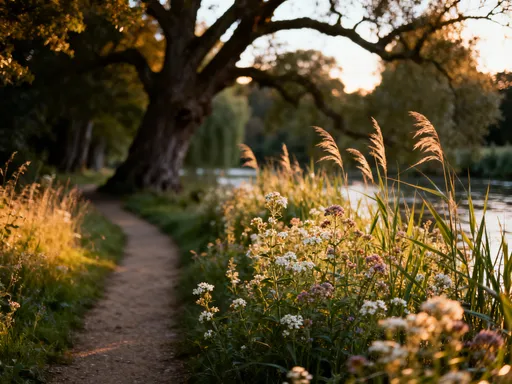
Morning walks along the lakefront path become ritual. The air is crisp, the world still waking. Couples walk dogs on leashes, joggers move at a steady pace, and solo travelers sit on benches with notebooks or cameras, not in haste, but in contemplation. Some come to fish, casting lines into the water with quiet focus. Rainbow trout and brown trout thrive here, and while fishing is a popular pastime, it’s often done not for the catch but for the stillness it requires. The act of waiting, watching the float bob gently on the surface, becomes a form of meditation.
Kayaking offers another perspective. Paddling out at dusk, when the crowds have thinned and the light softens, you feel the vastness of the lake and the sky above. The strokes of the paddle are rhythmic, almost hypnotic. The only sounds are the drip of water from the blade and the occasional splash of a fish. There’s no destination, no race to reach a point. The journey itself is the point. And in those moments, suspended between water and sky, there’s a deep sense of peace—a feeling that cannot be rushed or forced, only allowed.
Hiking at a Human Pace: The Great Walks Without the Crowds
The Tongariro Northern Circuit, often overshadowed by its more famous neighbor, the Tongariro Alpine Crossing, offers a backcountry experience that unfolds over days rather than hours. It winds through volcanic landscapes—crater lakes of emerald green, steam vents rising from the earth, and slopes covered in alpine herb fields. But what sets it apart is the pace. Hiking this trail slowly, with time to rest, observe, and absorb, transforms it from a physical challenge into a sensory journey.
One morning, halfway along the track, a traveler might stop not because they’re tired, but because they’ve spotted a robin perched on a low branch, tilting its head curiously. Or they might pause to brew tea at a shelter, listening to the sound of a nearby stream tumbling over rocks. These moments aren’t distractions—they are the essence of the experience. There’s no rush to cover distance. The trail does not reward speed. Instead, it invites attention: to the texture of the soil underfoot, the way lichen clings to old lava flows, the sudden appearance of a kea circling overhead.
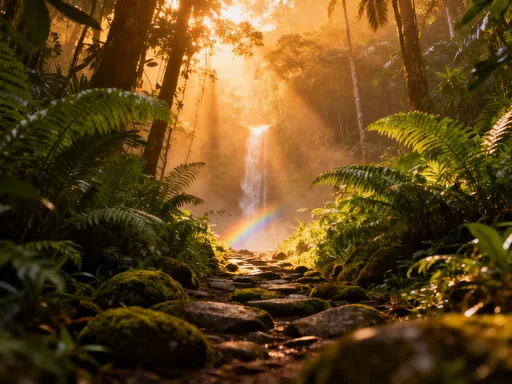
Nearby, the Mount Pureora Track offers a different kind of immersion. Rising into native forest, it follows ridgelines where kauri, rimu, and tawa trees form a dense canopy. The air is cooler here, rich with the scent of damp earth and moss. Birdsong is constant—morepork calls at dusk, tūī mimic other sounds, and the clear notes of the bellbird ring through the morning. Hikers often walk in silence, not out of fatigue, but out of respect for the stillness. This is not a place to shout or hurry. It is a place to listen.
Trail etiquette in these areas emphasizes minimal impact. Travelers are encouraged to stay on marked paths, carry out all waste, and avoid disturbing wildlife. Conservation efforts are visible but unobtrusive—boardwalks protect fragile undergrowth, and signage shares stories of ecological restoration. These practices align with the philosophy of slow travel: to move through the world with care, leaving only footprints and taking only memories. And with each step, a kind of mental clarity emerges. The constant noise of daily life—the emails, the notifications, the to-do lists—fades into the background. In its place is the steady rhythm of breath and movement, a natural reset that no digital detox could replicate.
Local Encounters That Stick With You
One of the quiet gifts of slow travel is the space it creates for connection. In Taupo, this happens in small moments: a chat with a vendor at the Saturday farmers’ market, a conversation with a barista who remembers your coffee order by the third day, or a chance meeting with a local artist arranging handmade crafts in a small gallery. These interactions are not transactional. They are exchanges—of stories, of smiles, of shared appreciation for the place.
When time is not measured in minutes between appointments, conversations have room to deepen. A woman at the market might explain how she sources her honey from hives placed in remote forest clearings, where bees feed on native rātā and kāmahi flowers. A guide on a walking tour might pause to point out the meaning behind a Māori place name—how “Taupō” itself refers to the “cloak” of water that covers the land, a poetic description of the lake’s embrace. These details are not in guidebooks. They are passed on through presence, through the willingness to listen.
Local cafes and community spaces become familiar. You return not just for the food—though the sourdough bread and seasonal soups are excellent—but for the atmosphere. There’s a rhythm to these places: the clink of cups, the murmur of conversation, the occasional burst of laughter. People sit for longer than they might in a city, reading books, sketching, or simply watching the world go by. Children play on grassy patches outside, and dogs nap under tables. There’s a sense of belonging, even for visitors. No one rushes you to leave. No one checks their watch. Time feels expansive, generous.
These encounters are not staged for tourists. They are authentic, unscripted, and often unexpected. A woman knitting by the lake might strike up a conversation about her family’s history in the region. A fisherman cleaning his catch might share tips on the best spots to cast a line. These moments are fleeting, but they leave an imprint. They remind us that travel is not just about seeing new places, but about meeting people who live differently, who know their world in ways we do not. And in that exchange, there is a quiet kind of transformation.
Thermal Springs and Natural Rhythms
The earth breathes in Taupo. Steam rises from cracks in the ground, warm water bubbles up from deep below, and the scent of sulfur lingers in the air. The region sits on the Pacific Ring of Fire, where tectonic plates meet and the planet’s energy is close to the surface. This geothermal activity is not just a scientific curiosity—it is a living presence, felt in the warmth of the soil and the steam that curls from hidden pools.
Orakei Korako, one of the lesser-visited geothermal areas, offers a chance to experience this power in relative solitude. Terraced silica formations glow in shades of orange and white, shaped by centuries of mineral deposits. Geysers erupt unpredictably, sending plumes of water into the air. Boardwalks wind through the site, allowing visitors to move safely through the steaming landscape. But the real magic happens when you stop—when you sit on a bench and watch the steam rise, or feel the warmth of the ground through your shoes. It’s a reminder that the earth is alive, dynamic, constantly changing.
Along the Waikato River, there are undeveloped hot pools known to locals—places reached by short walks through bush, where the water flows warm from underground springs. These are not commercial spas with changing rooms and entry fees. They are simple, natural, and unmarked. To find them requires time, curiosity, and a willingness to explore slowly. Soaking in one of these pools at dusk, with the forest closing in around you and the stars beginning to appear, is a deeply grounding experience. The heat seeps into your muscles, releasing tension. The sound of the river nearby is steady, soothing. There’s no music, no phones, no distractions—just the rhythm of nature.
These moments of physical relaxation often lead to mental clarity. The body unwinds, and the mind follows. Worries that felt urgent days ago begin to lose their grip. The constant hum of anxiety fades, replaced by a quiet awareness of the present. In this way, the geothermal landscape becomes more than a sight to see—it becomes a space for restoration, a natural sanctuary where the body and mind can reset together.
Why Taupo Works for the Mindful Traveler
Taupo’s infrastructure supports a slower way of moving through the world. The town center is compact and walkable, with wide sidewalks, benches, and views of the lake from nearly every corner. Roads are quiet, especially outside peak seasons, and cycling paths connect key areas. Public access to the lakefront is protected, ensuring that the water remains a shared resource, not a private luxury. These design choices—intentional or not—encourage a different kind of travel, one that values ease over efficiency, presence over productivity.
The region sees a steady flow of visitors, but it does not suffer from over-tourism. Unlike destinations where every viewpoint is crowded and every trail packed, Taupo retains a sense of openness. Data from regional tourism reports suggest that average visitor stays are longer here than in many other New Zealand hotspots, with many travelers spending four to five days or more. Trail usage remains moderate, and accommodation options range from modest lodges to holiday homes, few of which feel impersonal or overly commercial.
This balance—between accessibility and preservation—creates an environment where mindfulness can flourish. When you’re not competing for space or rushing to beat the crowds, you can move at your own pace. You can sit on a rock by the river and watch the water for twenty minutes. You can return to the same café three times in one trip, not out of lack of options, but because you enjoy the feeling of being recognized, of belonging, even briefly. The lack of pressure to perform or produce allows a different kind of engagement—one rooted in observation, reflection, and connection.
And perhaps most importantly, the environment itself shapes behavior. Calm places invite calm travel. The vastness of the lake, the stillness of the forests, the warmth of the earth—all of these elements encourage a slower, more deliberate way of being. You don’t have to force yourself to relax. It happens naturally, like breathing in air that is cleaner, clearer, and deeper than the one you left behind.
Bringing the Pace Home: Lessons Beyond the Trip
The return home is often the true test of a journey’s impact. The question is not whether you had a nice vacation, but whether anything changed. In Taupo, the lessons of slowness don’t end when the trip does. They linger—in the way you pause to watch the sunrise from your kitchen window, in the decision to walk instead of drive, in the choice to sit with a cup of tea rather than scroll through a screen.
The mindset of slow travel can be carried into daily life. It means scheduling less and allowing more. It means valuing presence over productivity, depth over distance. It means recognizing that not every moment needs to be filled, and that silence is not empty but full of possibility. These are not grand transformations, but small, consistent shifts—like choosing to eat lunch outside, or taking a different route to work just to see what’s blooming.
Practical takeaways emerge naturally. A woman might start a daily practice of mindful observation—five minutes each morning spent noticing sounds, smells, or changes in the light. Another might begin exploring local parks or nature reserves, treating them not as destinations but as places to return to, again and again, to witness their changing moods. These habits are not about escaping life, but about inhabiting it more fully.
And perhaps the greatest lesson is this: adventure does not have to mean going far. It does not require speed, risk, or spectacle. True adventure can be found in stillness, in attention, in the courage to move slowly in a world that values speed. Taupo does not offer thrills or trophies. It offers something deeper—a reminder that the most meaningful journeys are not measured in miles, but in moments of connection, clarity, and quiet joy. And that, in the end, is a pace worth carrying home.