You Won’t Believe These Hidden Shopping Spots in Guam
Guam isn’t just about sunsets and surf—it’s a shopper’s secret paradise. I didn’t expect to find such unique boutiques and local markets tucked between the palm trees. From handmade Chamorro crafts to duty-free luxury, the island delivers an underrated retail experience. If you're looking to take home more than just sand in your shoes, you gotta check out these real, off-the-beaten-path shopping venues that most tourists completely miss.
Why Guam’s Shopping Scene Stands Out
Guam’s shopping culture is unlike any other in the Pacific, shaped by centuries of indigenous tradition, colonial history, and modern globalization. As a U.S. territory located in the western Pacific, the island blends American consumer habits with deep-rooted Chamorro customs and strong influences from neighboring Asian countries like Japan, South Korea, and the Philippines. This fusion creates a shopping landscape that feels both familiar and refreshingly exotic. Travelers can walk into a global luxury store in the morning and leave with a handwoven siyot basket from a village artisan by afternoon.
What truly sets Guam apart is its status as a duty-free destination. Because the island does not impose federal U.S. taxes on many imported goods, shoppers enjoy significant savings on high-end fashion, cosmetics, watches, and electronics. This economic advantage has drawn international retailers and regional tourists alike, making Guam a retail hotspot in Micronesia. Yet, despite its modern malls and branded storefronts, the soul of Guam’s shopping experience remains deeply cultural. Local markets thrive alongside global chains, offering visitors a chance to engage with authentic island life while still enjoying the comforts of contemporary retail.
For women between 30 and 55—many of whom travel for both relaxation and meaningful experiences—this balance is especially appealing. Shopping here isn’t just about acquiring items; it’s about connection. Whether you're choosing a hand-carved wooden pendant from a family-run stall or comparing silk scarves at a Japanese department store corner, each purchase tells a story. The island invites you to slow down, observe, and appreciate the craftsmanship behind every product. In a world where so much feels mass-produced, Guam offers something rare: authenticity wrapped in convenience.
Hagåtña Farmers Market: Culture on Every Shelf
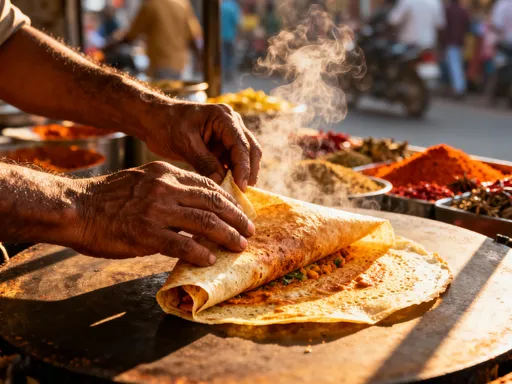
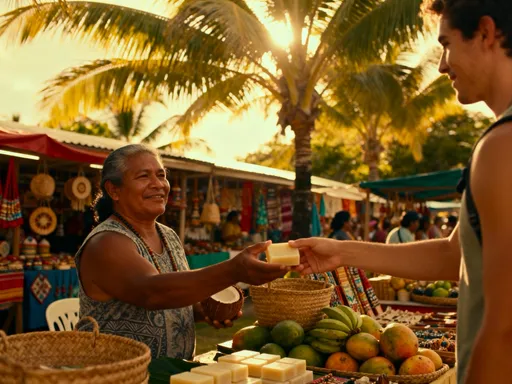
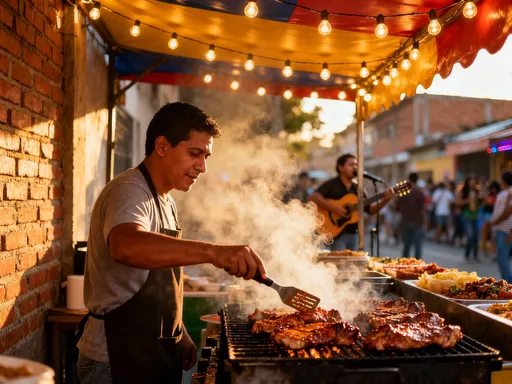
Nestled in the heart of Guam’s capital city, the Hagåtña Farmers Market pulses with the rhythm of daily island life. Open every Thursday and Saturday morning, this bustling open-air market is where locals gather to sell fresh produce, traditional foods, and handmade crafts. Unlike commercial shopping centers, this venue offers an unfiltered glimpse into Chamorro culture. The air hums with friendly chatter in both English and Chamorro, while the scent of ripe mangoes, grilled kelaguen, and fragrant plumeria leis drifts through the shaded walkways.
Stalls overflow with vibrant displays: purple yams, bright red chili peppers, bunches of taro leaves, and coconuts still in their husks. Vendors proudly offer samples of banana dumplings, coconut rice cakes, and sour soup made with local greens. Beyond food, the market is a haven for handmade goods—woven fans from pandanus leaves, hand-painted ceramic bowls, and delicate shell necklaces crafted by elders who’ve passed down their skills for generations. Every item reflects a deep respect for nature and tradition.
What makes the Hagåtña Farmers Market so special is its sense of community. Many vendors are farmers or artisans from nearby villages who grow or make everything they sell. There’s no middleman, no plastic packaging—just honest, homegrown commerce. For the thoughtful traveler, this is the perfect place to find meaningful souvenirs: a jar of homemade guava jam, a hand-stitched apron, or a set of carved wooden spoons. These aren’t just objects; they’re tokens of connection, each one carrying the warmth of a personal exchange.
Visiting this market also supports sustainable tourism. By buying directly from producers, shoppers contribute to local livelihoods and help preserve cultural practices that might otherwise fade. It’s shopping with purpose. And for families, it’s an educational experience—children learn where food comes from, and adults rediscover the value of slow, intentional consumption. Whether you come to taste, to buy, or simply to wander, the Hagåtña Farmers Market reminds us that the best travel moments happen when we step off the beaten path and into real life.
Duty-Free Galleria: Luxury Without the Markup
For those seeking high-end fashion and premium beauty products, the Duty-Free Galleria in Tumon Bay stands as Guam’s crown jewel of retail. As one of the island’s most upscale shopping destinations, it houses a curated collection of international brands including Chanel, Dior, Michael Kors, and Rolex—all available without the burden of sales tax. This tax-free advantage translates into savings of 20% or more on luxury items, making it a magnet for fashion-savvy travelers from Asia and beyond.
The mall itself is designed for comfort and elegance. Wide corridors, ambient lighting, and tropical landscaping create a serene atmosphere, while attentive staff speak multiple languages to accommodate Guam’s diverse visitor base. Shoppers can explore rows of gleaming storefronts offering everything from designer handbags to limited-edition perfumes and state-of-the-art skincare lines. The beauty section alone is a destination, with counters featuring full product ranges and complimentary consultations.
What makes the Duty-Free Galleria particularly appealing to mature female travelers is its balance of indulgence and practicality. Unlike crowded city department stores, this space allows for a relaxed, pressure-free experience. You can take your time testing fragrances, comparing handbag styles, or simply enjoying the air-conditioned serenity. Many women appreciate the opportunity to treat themselves—or find elegant gifts for loved ones—without the stress of aggressive sales tactics.
To make the most of a visit, timing is key. Weekday mornings are typically less crowded, offering a peaceful shopping experience. Avoid weekends and holiday periods when tour groups arrive in larger numbers. It’s also wise to carry a passport, as some stores require identification for tax-free purchases. While credit cards are widely accepted, having some local currency on hand can help with smaller transactions or street-side vendors near the mall entrance.
One often-overlooked benefit is the mall’s role as a cultural barometer. The product mix—featuring Japanese skincare, Korean makeup trends, and American sportswear—mirrors the tastes of Guam’s primary tourist demographics. This diversity means there’s something for every style, whether you prefer minimalist elegance or bold statement pieces. For women who value quality over quantity, the Duty-Free Galleria offers a rare chance to invest in timeless items at accessible prices.
Micronesia Mall: The Island’s Retail Hub
If the Duty-Free Galleria represents luxury, then Micronesia Mall embodies everyday island life. As the largest indoor shopping center in Micronesia, it serves as a central hub for both residents and visitors. Located in Dededo, this sprawling complex features over 140 stores, anchored by major retailers like Macy’s, Sears, and a large ABC Store. But its significance goes far beyond shopping—it’s a community space, a climate-controlled retreat, and a one-stop destination for everything from groceries to entertainment.
The mall’s layout is intuitive and family-friendly, with wide walkways, ample seating, and clean restrooms. Natural light filters through skylights in certain sections, reducing the enclosed feeling common in large indoor spaces. Shoppers can find everything from school supplies and baby clothes to home appliances and electronics. The food court offers a mix of local favorites—like chicken kelaguen tacos and red rice—and international options such as sushi, pizza, and bubble tea.
For visiting families, Micronesia Mall is especially valuable during Guam’s rainy season. When sudden afternoon showers roll in, the mall becomes a refuge where children can play safely, parents can recharge, and everyone can continue their day without disruption. The on-site cinema shows the latest Hollywood and Asian films, often with English subtitles, making it a popular evening activity. There’s even a small arcade and a bookstore, adding to the sense of completeness.
What sets this mall apart is its authenticity. Unlike tourist-only zones, Micronesia Mall is where real Guam families shop, dine, and socialize. Seeing local women in floral dresses chatting near the entrance or elders enjoying coffee at the courtyard café offers a genuine window into island culture. It’s a place where tradition and modernity coexist—where you might pass a woman carrying a woven basket while texting on her smartphone.
While it doesn’t offer the same tax savings as Tumon’s duty-free centers, Micronesia Mall provides excellent value for everyday needs. Prices are generally lower than in mainland U.S. stores due to local pricing strategies and frequent promotions. For travelers staying in vacation rentals, this is the ideal spot to stock up on snacks, sunscreen, and kitchen essentials. It’s also a great place to pick up Guam-branded souvenirs—tote bags, mugs, and T-shirts—that make thoughtful, affordable gifts.
Plaza Biba: Where Tradition Meets Trend
Tucked away in the historic district of Hagåtña, Plaza Biba is a vibrant marketplace dedicated to celebrating and preserving Chamorro heritage. Operated by the Guam Department of Chamorro Affairs, this weekend-only market transforms a quiet plaza into a lively celebration of island identity. The name “Biba” means “live” in Chamorro, and that spirit is evident in every corner—from drumming performances to elders teaching traditional weaving techniques.
Vendors here are carefully selected to ensure authenticity. Each stall represents a local artisan or family business committed to cultural preservation. You’ll find hand-carved latte stone replicas, coconut oil soaps infused with native herbs, and intricately woven lågu mats made from palm fibers. Jewelry makers craft pieces using spondylus shells, while painters display canvases depicting scenes of village life, ocean voyages, and ancestral legends.
What makes Plaza Biba so meaningful is its mission. This isn’t just a craft fair—it’s a movement to keep Chamorro traditions alive. Many of the skills on display are centuries old, passed down orally and through practice. By purchasing from these artisans, visitors directly support cultural continuity. A $20 woven bracelet isn’t just an accessory; it’s a contribution to a legacy.
The atmosphere is joyful and inclusive. Live music fills the air, with groups performing ancient chants and modern island songs. Children participate in free workshops, learning how to make leis or pound taro into dough. Food stalls serve traditional dishes like tinaktak (coconut beef stew) and pancit (a noodle dish reflecting Filipino influence), connecting cuisine with cultural storytelling.
For women who value mindful travel, Plaza Biba offers a deeply rewarding experience. It’s a place to slow down, listen, and engage. Conversations with artisans reveal personal stories—of grandmothers teaching techniques, of communities rebuilding after typhoons, of pride in identity. These interactions transform shopping from a transaction into a relationship. And the souvenirs you bring home carry that emotional weight: a handmade soap wrapped in banana leaf, a tiny wooden canoe, or a framed quote in Chamorro script.
Tumon Sands Plaza: Beachfront Bargains & Boutiques
Stretching along the edge of Tumon Bay, Tumon Sands Plaza offers a relaxed, open-air shopping experience just steps from the sand. This seaside strip combines convenience with charm, featuring a mix of souvenir shops, swimwear boutiques, and pop-up craft stalls. As the sun begins to dip, string lights twinkle above, and the sound of waves blends with soft music from outdoor cafes, creating a romantic, unhurried vibe perfect for evening strolls.
The retail mix here caters to tourists without losing its local flavor. You’ll find racks of Guam-themed T-shirts, seashell wind chimes, and coconut-scented candles in every shop. But look closely, and you’ll also spot vendors selling hand-painted shells, custom-made leis, and locally designed sarongs. These authentic items often come at fair prices, especially if you take the time to chat with the seller and show genuine interest.
One of the joys of shopping at Tumon Sands Plaza is the immediacy. You can swim in the morning, dry off, and start browsing by lunchtime. Need a new swimsuit? A sun hat? A gift for a neighbor back home? It’s all within walking distance. Many shops offer same-day delivery to hotels, so you don’t have to carry purchases around all day.
However, discernment is important. While some stalls sell genuine handmade goods, others offer mass-produced imports from overseas factories. To spot the difference, look for imperfections—slight variations in color, texture, or stitching—which often indicate handcrafting. Ask questions: Where was this made? Who made it? Vendors who speak proudly about their process are usually selling authentic items.
Bargaining isn’t common in Guam’s formal stores, but it’s sometimes acceptable at independent stalls, especially if you’re buying multiple pieces. A polite, friendly approach works best—smile, compliment the work, and suggest a fair price. Most artisans appreciate the gesture, even if they can’t lower the cost much. Remember, these are small businesses; your purchase helps sustain their livelihood.
Smart Shopping Tips for Guam Visitors
To make the most of your shopping experience in Guam, a few practical strategies can go a long way. First, consider timing. Weekdays are generally less crowded than weekends, especially in popular areas like the Duty-Free Galleria and Tumon Sands Plaza. Early mornings offer not only cooler temperatures but also a more peaceful atmosphere, allowing you to browse at your own pace.
When it comes to payment, most established stores accept major credit cards, but smaller vendors and market stalls often prefer cash. It’s wise to carry some U.S. dollars in small denominations for convenience. ATMs are widely available in malls and tourist areas, but may charge fees, so notify your bank before traveling to avoid transaction blocks.
Be mindful of airline baggage policies, especially if you plan to buy heavier items like pottery or wooden carvings. Some international carriers have weight and size limits for checked luggage, and fragile goods may require special packing. Many shops offer gift wrapping and shipping services, so don’t hesitate to ask if you’d rather have purchases sent home.
Keep an eye out for seasonal events. The annual Guam Micronesia Island Fair brings together artisans from across the region, while holiday night markets in December and April feature extended hours, live performances, and exclusive products. These events are perfect for finding one-of-a-kind items and experiencing the island’s festive spirit.
Finally, remember that shopping in Guam can be more than a personal indulgence—it can be an act of cultural support. Whenever possible, choose locally made goods over imported trinkets. Ask about the origin of products, and prioritize vendors who emphasize sustainability and tradition. Your choices help sustain communities and preserve heritage.
In the end, the best souvenirs aren’t the most expensive—they’re the ones with stories. Whether it’s a handwoven mat from Plaza Biba, a jar of guava paste from Hagåtña Market, or a simple seashell from Tumon Bay, each item carries a memory. And for women who travel not just to see, but to feel and connect, Guam offers a rare gift: shopping that nourishes the heart as much as the closet.