You Gotta See These Hidden Gems in Invercargill – Mind-Blowing Landmarks Most Miss
Invercargill might not top every traveler’s list, but trust me, its landmark buildings tell a story worth experiencing. From striking heritage facades to unexpected architectural beauty, this southern gem surprises at every turn. I never expected to be so moved by a city often passed by – but here’s why you should stop, look, and truly see what makes Invercargill’s structures stand out. Far from the bustling crowds of Queenstown or Rotorua, Invercargill offers a quieter, more reflective kind of journey — one where history echoes in stone and iron, and beauty reveals itself in the details. This is not a city that shouts; it whispers, with dignity and grace, inviting those willing to listen.
Why Invercargill Deserves More Than a Pit Stop
Situated at the southernmost tip of New Zealand’s South Island, Invercargill often serves as a transit point for travelers en route to Stewart Island or Fiordland National Park. Yet reducing this city to a mere waypoint overlooks its rich historical tapestry and architectural character. As the country’s southernmost urban center, Invercargill has long been shaped by isolation, resilience, and a strong sense of community. These qualities are mirrored in its built environment — a collection of structures that reflect both practicality and pride.
The city was founded in 1856 and named after Inverness in Scotland, with early development driven by agriculture, transport, and regional administration. Its relative remoteness meant that construction materials were often locally sourced, and architectural styles evolved with a blend of British influence and colonial adaptation. Unlike larger cities that have undergone extensive modernization, Invercargill has retained much of its early 20th-century streetscape, offering an authentic glimpse into provincial New Zealand life.
Because it has not been overtaken by mass tourism, the city maintains a refreshing sense of authenticity. There are no crowded plazas or souvenir-laden sidewalks — just wide, tree-lined avenues and buildings that were constructed to last. This lack of commercial saturation allows visitors to engage more deeply with the environment. Each structure stands not as a spectacle for photos, but as a functional piece of living history. For travelers seeking meaningful connections with place and people, Invercargill offers a rare opportunity to experience a destination on its own terms.
Moreover, the city’s geographic significance enhances its appeal. It serves as a gateway to some of New Zealand’s most pristine natural areas, including the Catlins and the Southern Scenic Route. But rather than treating it as a launching pad, consider making Invercargill a destination in itself. By slowing down and exploring its architectural landmarks, you gain insight into the values of a community that values endurance, tradition, and quiet beauty.
St. John’s Anglican Church: A Whisper of History
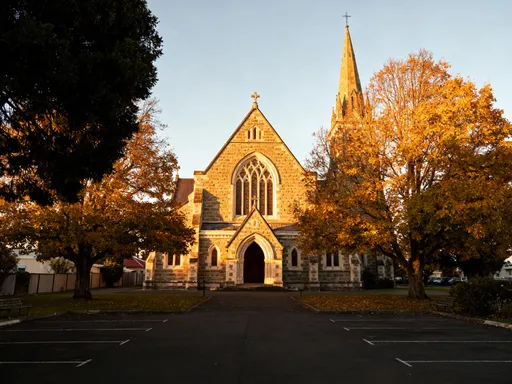
Rising gently above the surrounding neighborhood, St. John’s Anglican Church is a testament to enduring faith and craftsmanship. Completed in 1878, this Gothic Revival structure was designed by architect Robert Lawson, whose work also includes the more famous First Church of Otago in Dunedin. Constructed from locally quarried bluestone and Port Chalmers limestone, the church exudes a solemn elegance that speaks to the dedication of its early congregants.
The pointed arches, steeply pitched roof, and delicate tracery of the windows are classic elements of the Gothic style, adapted here to suit the climate and resources of southern New Zealand. The bell tower, though modest in height, commands attention with its clean lines and stone spire. Inside, the timber ceiling and simple stained-glass windows create a contemplative atmosphere — one that invites stillness and reflection.
What makes St. John’s particularly special is not just its design, but its continuity. For over 140 years, it has served as a spiritual and social hub for the community. Generations have been baptized, married, and remembered within its walls. Despite earthquakes and changing religious trends, the congregation has maintained the building with care, ensuring that its historical and emotional significance endures.
Preservation efforts have included structural reinforcement and careful restoration of original features, such as the carved wooden pulpit and the 19th-century organ. These details are not merely decorative — they are links to the past, tangible reminders of the lives that shaped the city. Visitors are welcome to attend services or simply sit quietly during daylight hours, experiencing the peace that many describe as almost tangible. In a world that often feels rushed and fragmented, St. John’s offers a rare moment of grounded serenity.
The Old Invercargill Post Office: Grandeur in Brick and Stone
Standing proudly on Dee Street, the former Invercargill Post Office is a striking example of Edwardian architecture and civic pride. Built in 1908, the building was once the beating heart of communication in southern New Zealand. In an era before telephones and email, this was where letters were sent, parcels received, and news from afar first made real. Its central location and imposing presence reflected the importance of postal services in connecting remote communities.
The design features symmetrical facades, arched windows, and a prominent clock tower that rises above the street corner. Constructed from red brick with Oamaru stone detailing, the building combines warmth and formality in equal measure. The clock, still functional today, was once a vital public timepiece — a shared reference point for residents going about their daily lives. The ornate cornices, pilasters, and pediments speak to a time when public buildings were designed not just for utility, but for dignity.
After serving as a post office for most of the 20th century, the building was repurposed in the 1980s and now houses retail and office spaces. While the interior has been modernized, the exterior has been carefully preserved, maintaining its historical integrity. Walking past it today, one can still sense the importance it once held — not just as a government facility, but as a symbol of connection and reliability.
For visitors, the building offers a chance to reflect on how communication has changed — and what has been lost and gained in the process. The personal touch of a handwritten letter, the anticipation of mail delivery, the communal rhythm set by a public clock — these are experiences that shaped daily life in a way that digital immediacy rarely replicates. The old post office stands as a quiet monument to a slower, more deliberate way of living, one that continues to resonate with those who appreciate history’s subtle lessons.
Queens Park Rotunda: Where Nature Meets Design
Nestled within the sprawling 80-hectare Queens Park, the rotunda is one of Invercargill’s most photographed and cherished landmarks. Built in the early 20th century, this elegant structure serves as both a visual centerpiece and a functional gathering space. With its domed roof, white-painted woodwork, and circular colonnade, the rotunda blends classical design with a distinctly Kiwi sense of openness and accessibility.
Surrounded by meticulously maintained gardens, walking paths, and native plantings, the rotunda is especially beautiful in spring and summer, when rhododendrons, azaleas, and roses burst into color. It has long been a venue for civic events, from band concerts to wedding photos, and continues to host regular performances by the Invercargill Municipal Band during the warmer months. The acoustics, shaped by the dome and open sides, carry music gently across the lawns, creating a joyful atmosphere that draws families, couples, and solo visitors alike.
But the rotunda is more than just a backdrop for events — it is a symbol of harmony between human design and the natural world. Its placement within the park ensures that it complements rather than dominates the landscape. From any angle, it frames views of trees, flowers, and distant hills, inviting visitors to pause and take in the full sensory experience of the surroundings. Benches nearby offer quiet places to sit, read, or simply watch the seasons change.
Queens Park itself was established in 1872 and is one of New Zealand’s oldest public parks. It was designed with Victorian-era principles of recreation and civic beauty in mind, providing a green sanctuary for residents. Today, it remains a vital part of community life — a place for morning walks, dog walking, cycling, and quiet contemplation. The rotunda, at its heart, stands as a reminder that beauty and function can coexist, and that public spaces matter deeply to the well-being of a city.
Southland Museum & Art Gallery – A Landmark with a Legacy
The Southland Museum & Art Gallery, though currently closed for structural safety reasons, remains one of Invercargill’s most architecturally significant buildings. Opened in 1990, it replaced an earlier museum and was celebrated for its bold modernist design, featuring a striking pyramid-shaped roof that became an instant city icon. The structure was not only visually distinctive but also functionally innovative, housing extensive collections of natural history, Māori artifacts, and regional art.
The pyramid design was inspired by ancient forms yet executed with contemporary materials and engineering. Made of glass and steel, it allowed natural light to flood the interior while creating a dramatic silhouette against the skyline. Inside, the open-plan layout encouraged exploration, with exhibits ranging from fossil displays to contemporary paintings by Southland artists. The museum was also home to a renowned educational program, welcoming school groups and hosting lectures, workshops, and temporary exhibitions.
Its closure in 2018 due to earthquake risk was met with deep disappointment across the region. However, the building’s legacy endures. For decades, it served as a cultural anchor, preserving the stories, biodiversity, and creativity of southern New Zealand. It was a place where children encountered their first dinosaur skeleton, where elders shared oral histories, and where artists found inspiration in ancestral carvings and landscapes.
While the future of the site is under discussion, there is strong community support for a revitalized cultural center that honors the past while embracing new possibilities. Whether the pyramid is restored, reimagined, or replaced, the importance of having a dedicated space for learning and expression remains clear. The museum’s story is not over — it is simply in transition, much like the communities it has served. Its absence is felt, but its impact continues to shape how Invercargill values knowledge, heritage, and artistic expression.
How to Experience These Landmarks Like a Local
To truly appreciate Invercargill’s architectural treasures, it’s best to explore them at a relaxed pace. The city center is compact and walkable, making it ideal for a self-guided walking tour. Begin at the Old Post Office on Dee Street, then stroll down Esk Street toward the town hall and civic precinct. From there, head west to Queens Park, allowing at least an hour to wander the gardens and rest at the rotunda.
Morning light is ideal for photography, especially at St. John’s Church, where the sun highlights the texture of the stonework. The hour around sunrise casts a soft golden glow on the bluestone façade, enhancing its solemn beauty. For those who enjoy quiet moments, visiting the church early avoids foot traffic and offers a chance to experience its peaceful interior without distraction.
After exploring the park, consider stopping at one of the local cafes nearby, such as a family-run coffee shop on Gala Street or a bakery known for its scones and preserves. These small businesses reflect the same values of tradition and care seen in the city’s architecture. Pairing a cultural visit with a warm drink and a homemade treat turns a simple outing into a full sensory experience.
Wear comfortable shoes, as the streets are wide and distances longer than they appear. A light jacket is advisable — Invercargill is known for its changeable weather, with winds sweeping in from the nearby Foveaux Strait. But even on cloudy days, the buildings retain their dignity, their forms standing out clearly against the sky.
Take time to notice details: the ironwork on a gate, the pattern of bricklaying, the way a window frame catches the light. These subtle elements tell stories of craftsmanship and intention. Rather than rushing from site to site, allow each location to unfold slowly. Sit on a bench, observe the surroundings, and let the atmosphere sink in. This kind of mindful exploration transforms sightseeing into a deeper kind of connection.
Why Preserving Invercargill’s Architecture Matters
The buildings of Invercargill are more than just structures — they are keepers of memory, identity, and shared values. In an age of rapid development and homogenized urban design, preserving these landmarks is an act of cultural stewardship. They remind us that cities are not just collections of functions, but living narratives shaped by generations.
Each preserved façade, restored interior, or repurposed space contributes to a sense of continuity. They offer residents a tangible link to the past and give visitors a more authentic understanding of place. When we protect these buildings, we affirm that history matters — not as a relic, but as a foundation for the future.
Preservation also supports sustainable tourism. Unlike new attractions that require significant resources to build and maintain, historic structures already exist. With proper care, they can continue to serve communities for decades. Adaptive reuse — like turning the old post office into retail space — demonstrates how old and new can coexist in harmony, reducing waste and celebrating heritage.
Moreover, these landmarks foster civic pride. They are symbols of what a community has achieved through perseverance and vision. For children growing up in Invercargill, seeing well-maintained historic buildings teaches respect for craftsmanship, history, and collective responsibility. It encourages them to value their hometown not in comparison to bigger cities, but on its own merits.
Finally, visiting and appreciating these sites is a form of quiet activism. Every traveler who stops to admire the rotunda, who steps into St. John’s Church, or who photographs the old post office contributes to the recognition of Invercargill’s worth. Tourism, when done thoughtfully, becomes a force for preservation, drawing attention and resources to places that might otherwise be overlooked.
In a world that often celebrates the loud, the new, and the famous, there is profound value in paying attention to the quiet, the enduring, and the humble. Invercargill’s landmarks do not demand attention — they invite it. And for those who take the time to look, they offer a deeper understanding of what it means to belong to a place, to build something lasting, and to live with intention. So the next time you find yourself near New Zealand’s southern edge, don’t just pass through. Stop. Look. And let the quiet beauty of Invercargill reveal itself, one stone, one beam, one moment at a time.