You Won’t Believe What I Captured at Canterbury’s Festival Scene
Canterbury isn’t just ancient walls and quiet lanes—its festival culture is a photographer’s dream. I went there not knowing what to expect, and left with hundreds of shots that felt alive. From spontaneous street performances to centuries-old traditions bursting with color, every corner told a story waiting to be framed. If you’ve ever wanted to capture real, raw cultural moments, this is where you should point your lens. Let me take you behind the scenes of the magic.
Why Festival Culture in Canterbury Stands Out
Canterbury, a city steeped in history and crowned by the majestic Canterbury Cathedral, offers more than just medieval architecture and scholarly charm. Its festival culture pulses with a rare authenticity that distinguishes it from highly commercialized events across the UK. Unlike manufactured celebrations designed for mass tourism, Canterbury’s festivals grow organically from local traditions, community pride, and centuries of cultural continuity. This authenticity translates into powerful photographic moments—unscripted, emotionally rich, and deeply human.
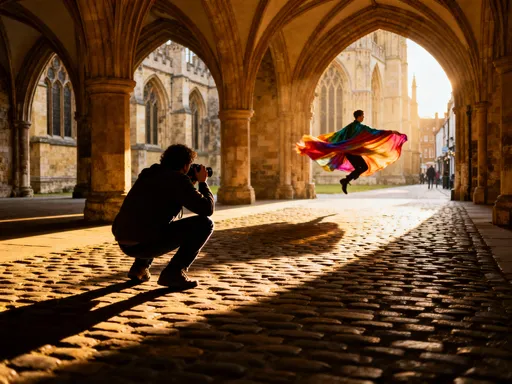
The Canterbury Festival, held annually in October, is the centerpiece of this vibrant scene. Spanning over ten days, it blends music, theater, literature, and visual arts in both formal venues and public spaces. What makes it especially compelling for photographers is its seamless integration with the city’s historic fabric. Imagine a jazz ensemble performing beneath the Gothic arches of the cathedral cloisters or a troupe of masked dancers moving through the cobbled alleyways of St. Margaret’s. These are not staged photo ops—they are lived experiences, unfolding naturally in settings that have hosted celebrations for generations.
Beyond the main festival, smaller seasonal events like the Summer Street Parade and the Christmas Market bring their own visual energy. The Summer Street Parade, in particular, stands out for its joyful chaos—children in handmade costumes, local bands playing upbeat folk tunes, and shopkeepers tossing sweets from decorated floats. There’s a spontaneity here that you rarely find in larger cities, where events are often over-managed and sanitized for safety and branding. In Canterbury, the spirit of celebration feels unfiltered, giving photographers access to genuine expressions of joy, concentration, and community belonging.
This authenticity is precisely what makes the city such a rewarding destination for cultural photography. The people aren’t performing for tourists—they’re celebrating for themselves. That subtle difference creates a depth in imagery that no posed portrait can match. Whether it’s an elderly woman smiling as she watches her granddaughter dance in the street or a street artist deeply focused on painting a live mural, these are moments of real life, elevated by tradition and shared emotion. For photographers seeking substance over spectacle, Canterbury offers a rare window into culture as it’s truly lived.
Choosing the Right Festivals for Photographic Impact
While Canterbury hosts events throughout the year, selecting the right festival can dramatically influence the quality and character of your photographs. Each celebration has its own rhythm, visual language, and peak moments that lend themselves to compelling storytelling. Understanding the timing, themes, and scale of these events allows you to plan your visit strategically, maximizing your chances of capturing standout images without getting lost in the crowd.
The Canterbury Festival, as mentioned, is the most comprehensive and visually diverse. Its autumn timing brings golden light and crisp air, ideal for outdoor photography. The mix of indoor and outdoor performances means you’ll encounter a wide range of lighting conditions and compositions—from the soft glow of candlelit choral concerts to the vibrant colors of street theater under clear skies. Because the festival spans multiple days and venues, it also offers opportunities to return to the same location at different times, allowing you to observe and photograph evolving atmospheres.
In contrast, the Summer Street Parade, typically held in July, delivers a more concentrated burst of energy. The event unfolds along a single route through the city center, making it easier to anticipate key moments and secure good vantage points. The parade is family-centered, with a playful, informal tone. This creates abundant opportunities for candid shots—children laughing, pets in costumes, impromptu dances on the pavement. Because it’s less formal than the autumn festival, participants are often more relaxed and open to being photographed, especially when you smile and make eye contact.
For those seeking quieter, more intimate moments, smaller community events like the Westgate Gardens Music Series or the Canterbury Folk Festival offer excellent alternatives. These gatherings attract dedicated locals rather than large tourist crowds, resulting in a more authentic and less chaotic environment. You’re more likely to capture close-up expressions, detailed textures, and subtle interactions—such as a fiddler adjusting her bow or an audience member swaying gently to a ballad. These moments may not be as flashy as a parade, but they often carry deeper emotional resonance in a photo essay.
Timing your visit to coincide with peak cultural moments is crucial. For instance, the procession of the Canterbury Festival’s opening ceremony—where performers in historical costumes walk from the Westgate Towers to the Cathedral—happens only once a year and lasts less than an hour. Arriving early to scout the route and understanding the sequence of events can make the difference between missed opportunities and a powerful series of images. Likewise, the Christmas Market, while popular, reaches its visual peak in the early evening when the stalls are lit and the air is filled with steam from hot cider stands. These fleeting windows demand preparation, but they reward patience with unforgettable frames.
Best Locations for Immersive Festival Photography
The magic of photographing Canterbury’s festivals lies not only in the events themselves but also in the city’s extraordinary backdrop. Its compact historic center is a natural stage, where centuries-old architecture frames modern celebration in ways that feel both timeless and immediate. Choosing the right locations can elevate your photography from simple documentation to visual storytelling, where setting and subject work in harmony.
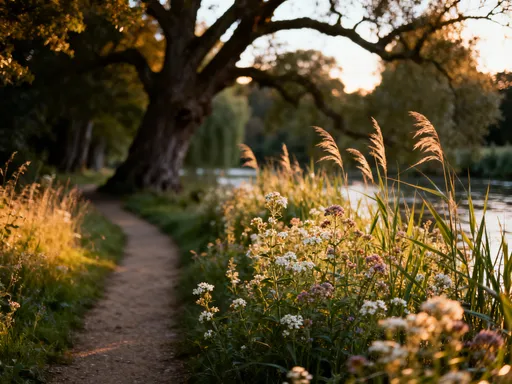
Westgate Gardens is one of the most photogenic spots during festival season. This tranquil green space along the River Stour transforms into a lively cultural hub during the summer months. The gardens’ arched stone bridge, flowerbeds, and shaded lawns provide a soft, natural contrast to the bright costumes and instruments of performers. The light here is especially kind in the late afternoon, filtering through the trees in dappled patterns that add depth and texture to portraits and wide-angle shots alike. Because the space is open yet contained, you can capture both the energy of the crowd and the serenity of the surroundings—a balance that adds emotional complexity to your images.
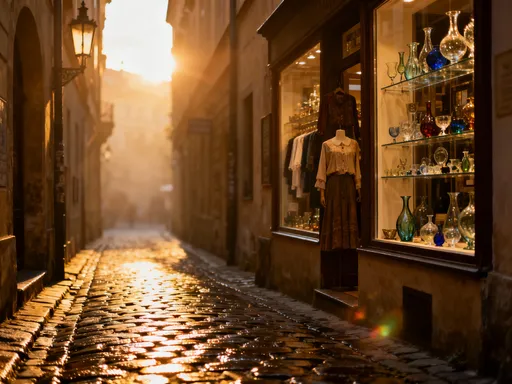
The Buttermarket area, located in the heart of the city, offers a completely different aesthetic. Once a traditional market square, it now serves as a gathering point for street performers, food vendors, and pop-up art installations. The surrounding buildings, with their Tudor-style facades and colorful shopfronts, create a vibrant urban canvas. This location is ideal for dynamic, wide-angle shots that convey movement and density. During the Summer Street Parade, the Buttermarket becomes a bottleneck of activity, where dancers, musicians, and spectators converge in a single, energetic frame. Positioning yourself on the upper level of the nearby shopping center can give you an elevated perspective, allowing you to capture the flow of the crowd like a living mosaic.
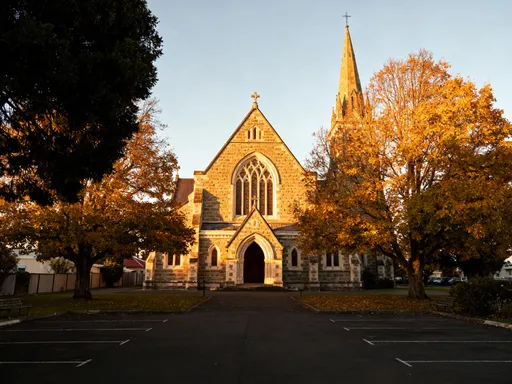
No discussion of photographic locations in Canterbury would be complete without mentioning the area around the Cathedral. The cathedral precinct—especially the narrow lanes of St. Martin’s and the stone steps leading to the Great West Door—offers dramatic architectural lines and a sense of sacred grandeur. During festival events, this solemn space comes alive with color and sound. A choir singing in Latin beneath the cloisters, a puppet show staged in the shadow of the bell tower, or a candlelit vigil during the winter festival—all of these moments gain emotional weight from their surroundings. The contrast between ancient stone and fleeting human expression creates a powerful visual tension that resonates in photographs.
When photographing in these locations, it’s important to balance composition with crowd dynamics. While the energy of a packed street is exciting, overcrowded frames can become visually chaotic. Look for leading lines—such as cobblestone paths, rows of flags, or the curve of an archway—to guide the viewer’s eye through the image. Use foreground elements like lanterns, banners, or outstretched hands to add depth. And don’t be afraid to zoom in—sometimes the most powerful image is a single face lit by candlelight, isolated from the crowd by shallow depth of field. The city’s architecture, with its many arches, windows, and doorways, naturally frames subjects, offering countless opportunities for layered, cinematic compositions.
Gear and Techniques That Made the Difference
Photographing fast-moving, unpredictable festival events requires more than just a good eye—it demands thoughtful preparation and the right tools. While artistic vision is essential, technical choices in gear and settings can make or break your ability to capture decisive moments. My experience in Canterbury taught me that adaptability is key, and having a flexible setup allowed me to respond quickly to changing light, movement, and composition.
I used a mirrorless camera with dual lens capability, switching between a 35mm prime lens for environmental portraits and a 70-200mm zoom for tighter shots from a distance. The 35mm proved invaluable in crowded spaces, where its wide angle allowed me to include context—such as a dancer framed by the cathedral’s spire or a child’s face reflected in a shop window. The prime lens also performed exceptionally well in low light, thanks to its wide aperture, enabling me to shoot handheld during evening events without introducing motion blur. The zoom lens, on the other hand, let me isolate moments without intruding—like a musician closing her eyes mid-note or a volunteer adjusting a banner behind the scenes.
Lighting conditions during festivals are rarely consistent. You might start in bright sunlight, move into deep shade under a stone arcade, and then find yourself shooting a candlelit procession as dusk falls. To handle this variety, I relied on aperture priority mode for most daytime shots, allowing me to control depth of field while the camera adjusted shutter speed automatically. For night scenes, I switched to manual mode, setting a wide aperture (f/1.8 to f/2.8), moderate ISO (1600–3200), and shutter speed around 1/60 to 1/125 to balance brightness with motion freeze. While higher ISO introduced some noise, the emotional impact of the images far outweighed technical imperfections.
One of the most effective techniques I used was burst mode during peak moments—such as a dancer leaping, a drumline marching past, or a crowd erupting in applause. Shooting in rapid succession increased the odds of capturing the exact instant when expression, gesture, and composition aligned perfectly. Later, during editing, I could select the single frame where a child’s laughter reached its peak or a performer’s movement was most graceful. This approach required disciplined memory management, so I carried multiple high-capacity SD cards and backed up images each night.
Post-processing began with selecting keepers—typically less than 30% of total shots. I prioritized images with strong emotional content, clear focal points, and balanced lighting. Color grading played a subtle but important role; I enhanced warm tones to reflect the golden light of autumn and preserved cool shadows to maintain atmosphere. The goal was never to create a fantasy, but to reveal what the eye had sensed in the moment. By editing with restraint, I ensured that the final collection felt authentic, immersive, and true to the spirit of Canterbury’s festivals.
Capturing People and Moments Without Intrusion
One of the greatest challenges—and responsibilities—of festival photography is capturing people authentically while respecting their privacy and dignity. Unlike studio photography, where consent is explicit, street and event photography often happens in fleeting, unguarded moments. The best images frequently come from observing rather than directing, but this requires a thoughtful, ethical approach.
I found that the key to non-intrusive photography lies in presence and patience. Rather than rushing in with a camera, I would spend time in a location, observing the flow of people and events. This allowed me to anticipate moments and position myself naturally within the scene. Often, simply standing quietly with my camera at my side made locals and performers more comfortable. When they saw I wasn’t aggressively shooting, they relaxed, and their expressions became more genuine. In several instances, people even smiled or waved, inviting the camera in without feeling exploited.
When photographing children or individuals in vulnerable moments—such as a person praying during a quiet ceremony—I always exercised extra caution. If a subject noticed me and seemed uncomfortable, I lowered my camera and nodded respectfully. In some cases, I would approach afterward and say, “I was struck by the beauty of that moment—would it be alright if I shared the photo?” Most people were happy to grant permission, especially when I showed them the image on my screen. This simple act of acknowledgment transformed the interaction from one of observation to mutual respect.
Building rapport with performers and organizers also opened doors to behind-the-scenes access. By introducing myself to a folk dance group before their performance, I was invited to photograph their preparations—the tying of ribbons, the tuning of instruments, the shared laughter before going on stage. These intimate moments added depth to my collection, showing not just the performance, but the humanity behind it. Trust, once earned, became my most valuable tool.
Patient observation often yielded the most powerful images. I remember waiting nearly twenty minutes near the cathedral steps, watching an elderly man play a wooden flute for passersby. He wasn’t performing for fame or tips—just for the joy of it. When a little girl stopped, closed her eyes, and began to sway, I took a single shot. That image, of pure, unselfconscious connection, became one of my favorites. It wasn’t captured through speed or technology, but through stillness and respect. In the end, the most authentic photographs are not taken—they are given.
Editing with Purpose: From Raw Files to Emotional Storytelling
Photography doesn’t end when the shutter clicks. The editing process is where a collection of images becomes a coherent story. In the case of Canterbury’s festivals, my goal was not to alter reality, but to clarify it—to enhance the mood, emphasize emotion, and guide the viewer through the rhythm of the celebration.
My workflow began with culling. After each day, I reviewed hundreds of images, selecting only those with strong composition, emotional resonance, or unique cultural detail. This winnowing process was essential; too many similar shots dilute impact. I looked for moments that stood alone—a wrinkled hand holding a tambourine, a splash of color against gray stone, a shadow stretching across a cobbled street. These became the anchors of my narrative.
Color grading was applied with restraint. I adjusted white balance to reflect the natural warmth of candlelight or the cool clarity of morning fog. Saturation was increased slightly in costumes and banners to honor their vibrancy, but skin tones and architectural details were kept neutral to preserve authenticity. I avoided heavy filters or dramatic effects, as they would have undermined the documentary feel of the work. Instead, I focused on contrast and clarity to bring out texture—the grain of wood, the weave of fabric, the sparkle of light on water.
Cropping was used to strengthen composition, often tightening the frame to eliminate distractions or to create a more intimate perspective. A wide shot of a parade might be followed by a close-up of a single dancer’s foot mid-step, emphasizing motion and detail. This rhythm of wide, medium, and tight shots helped build a visual narrative that mirrored the experience of being there—first taking in the whole scene, then focusing on what moved you.
When I shared a curated selection online, the response was unexpected and deeply encouraging. Fellow photographers praised the emotional honesty of the images, and many commented on how the series made them feel present in Canterbury. Some even shared their own festival experiences, creating a quiet community of visual storytellers. This feedback reinforced my belief that photography, at its best, is not about technical perfection, but about connection—between photographer and subject, and between viewer and image.
Why This Experience Changed My View of Cultural Photography
Before visiting Canterbury, I thought of cultural photography as a way to document traditions before they disappear. Now, I see it differently. Canterbury’s festivals aren’t relics—they are living, evolving expressions of community. The dances, music, and parades aren’t performed for preservation; they are part of a continuous conversation between past and present. Photographing them taught me that culture isn’t something frozen in time—it breathes, changes, and finds new meaning with each generation.
This realization shifted my priorities. I no longer chase the “perfect” shot—the one with flawless light and symmetry. Instead, I look for the soul of the moment. It might be in a child’s wide-eyed wonder, a musician’s focused frown, or a shared laugh between strangers. These are the images that endure, not because they are technically impressive, but because they carry feeling. They remind us that celebration is universal, and that joy, when shared, becomes something greater than the sum of its parts.
For photographers—especially those balancing family life with creative passions—Canterbury offers a rare gift: a destination where art and authenticity coexist. You don’t need to travel to distant continents to find meaningful subjects. Sometimes, the most profound cultural moments are just a train ride away, hidden in plain sight within a historic English city. All it takes is the willingness to slow down, observe, and listen with your lens.
If you’re looking to deepen your photography, I encourage you to seek out places where culture lives through celebration. Choose events rooted in community, not commerce. Arrive early, stay late, and let the rhythm of the day guide you. Be respectful, be patient, and above all, be present. Because in the end, the best photographs aren’t just seen—they’re felt. And in Canterbury, I learned to feel the story before I pressed the shutter. That, more than any single image, is the lesson I carry forward.