You Won’t Believe These Hidden Natural Gems in San Juan
When you think of San Juan, Puerto Rico, historic forts and city streets might come to mind—but the real magic? It’s just beyond the pavement. I’m talking wild coastlines, secret coves, and tropical forests humming with life. I recently escaped the crowds and discovered a quieter, greener side of this Caribbean capital. If you're craving nature that feels untouched and real, you gotta see what San Juan’s natural scenery has in store. Just minutes from the bustling heart of the city, a world of misty mountains, protected wetlands, and secluded beaches awaits those willing to look a little deeper. This is not the San Juan of postcards and cruise ships—it’s the one whispered about by locals, preserved by conservation, and revealed only to the curious traveler.
Reimagining San Juan: More Than Just a City Escape
San Juan is often celebrated for its cobblestone streets, colonial architecture, and vibrant cultural scene. Yet, beneath the surface of this dynamic capital lies an unexpected truth: nature is never far away. While many visitors spend their days exploring the forts of Old San Juan or sipping coffee in lively plazas, the surrounding landscape offers a quieter, more immersive experience. Just a short drive from the city center, the terrain shifts from urban sprawl to rolling hills, coastal mangroves, and dense tropical vegetation. This proximity to diverse ecosystems makes San Juan one of the most uniquely positioned capitals in the Caribbean—where city life and wild nature coexist in remarkable harmony.
The reason this duality matters goes beyond convenience. Travelers who embrace both the cultural heartbeat of the city and the serenity of its natural surroundings often report a deeper, more fulfilling experience. Instead of choosing between history and hiking, art and adventure, they get to enjoy both. The transition from city to nature is so seamless that one can enjoy breakfast in a seaside café in Condado and be standing beneath a canopy of rainforest trees by mid-morning. This accessibility transforms the way we think about urban travel—no longer limited to museums and markets, but expanded to include trails, tide pools, and bird-filled estuaries.
Geographically, San Juan sits at the crossroads of several ecological zones. To the north, the Atlantic Ocean shapes rugged coastlines and sandy inlets. To the east, the Luquillo Mountains rise dramatically, culminating in El Yunque National Forest. Along the southern edges, the Río Piedras flows through urban wetlands before reaching the San Juan Bay Estuary. Each of these zones supports distinct plant and animal life, creating a mosaic of habitats within a relatively small area. Understanding this layout helps travelers plan more meaningful itineraries—one that balances exploration with preservation, and excitement with reflection.
What’s more, this closeness to nature offers a kind of restoration that city life alone cannot provide. The sounds of traffic give way to the rustle of leaves and the call of native birds. The pace slows. The air grows richer. For families, couples, or solo travelers seeking a break from routine, these natural escapes offer not just beauty, but emotional renewal. Reimagining San Juan as a nature-infused destination isn’t about rejecting the city—it’s about enriching the journey with moments of stillness, wonder, and connection.
El Yunque National Forest: Where the Rainforest Meets the City
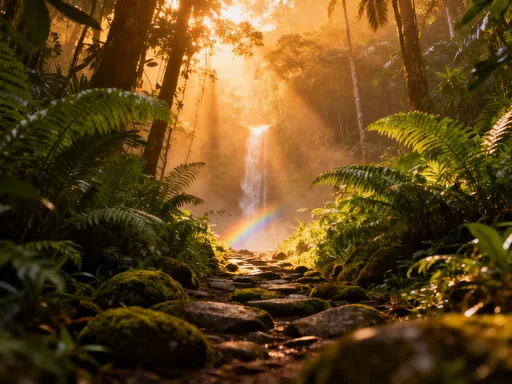
Just 40 minutes from downtown San Juan, El Yunque National Forest stands as a testament to the island’s ecological richness. As the only tropical rainforest in the U.S. National Forest System, it is a place of rare distinction and breathtaking beauty. Towering ceiba trees stretch skyward, their massive trunks draped in moss and vines. Streams cascade down rocky slopes, feeding into clear pools perfect for a refreshing dip. Mist often clings to the higher elevations, giving the forest an almost mystical aura. This is not a manicured park—it’s a living, breathing ecosystem teeming with life, from the tiny coquí frog whose song fills the night to the endangered Puerto Rican parrot, carefully protected in conservation aviaries.
For visitors, El Yunque offers a network of well-maintained trails that cater to different fitness levels and interests. The La Mina Trail, for example, leads hikers through dense foliage to the stunning La Mina Falls, where a natural rock slide allows for safe, joyful descent into the pool below. The Big Tree Trail, though shorter, takes adventurers to one of the forest’s most iconic specimens—a centuries-old giant tree that seems to embody the spirit of the rainforest itself. Along these paths, interpretive signs provide insights into the forest’s flora and fauna, making the experience both educational and immersive.
Planning a visit requires some preparation. The forest is open daily, but entry may be limited during heavy rain or hurricane season for safety reasons. It’s advisable to arrive early, especially on weekends, to secure parking and avoid crowds. Visitors should wear sturdy footwear, bring plenty of water, and pack a light rain jacket—showers are frequent, even if the sky appears clear. While the main entrance near Route 191 is the most popular, those seeking solitude might consider accessing the forest from the less-visited Barrio Palmarejo trailhead, which offers a quieter entry point with fewer tourists.
What makes El Yunque truly special is not just its beauty, but its status as a UNESCO Biosphere Reserve. This designation reflects its global ecological importance and the ongoing efforts to protect its biodiversity. Local rangers and conservation groups work tirelessly to monitor wildlife, control invasive species, and educate visitors. By following trail markers, refraining from feeding animals, and carrying out all trash, travelers contribute to these efforts. A visit here is not just a hike—it’s a chance to witness nature in its most vibrant form, and to do so responsibly.
Exploring the Northeast Ecological Corridor
Stretching along the coast from Isla Verde to Luquillo, the Northeast Ecological Corridor (NEC) is one of Puerto Rico’s most vital yet underappreciated natural treasures. This 3,000-acre protected area encompasses a mosaic of habitats: dry forests, wetlands, dunes, and pristine beaches. It serves as a sanctuary for over 15 endangered species, including the leatherback sea turtle, which nests on its shores during the spring months. For nature lovers, the NEC offers a rare opportunity to experience coastal wilderness without venturing far from the city.
One of the most enchanting spots within the corridor is Caño de San Antón, a tranquil waterway lined with red and black mangroves. These trees play a crucial role in filtering pollutants, stabilizing shorelines, and providing nursery grounds for fish and crustaceans. Paddling through this network of channels by kayak is like entering another world—silent except for the splash of your paddle and the occasional call of a heron. The water reflects the sky and treetops, creating a dreamlike effect. Guided eco-tours are available and highly recommended, as local guides share knowledge about the ecosystem and ensure minimal disturbance to wildlife.
Another highlight is Four Eyes Lagoon, a brackish pond divided into four sections—hence its name. This area is a haven for birdwatchers, attracting species such as the yellow warbler, mangrove cuckoo, and the elusive green heron. The best time to visit is early morning or late afternoon, when birds are most active and the light is soft and golden. Trails around the lagoon are simple and well-marked, making them accessible to families and casual walkers. However, visitors are reminded to stay on designated paths to protect fragile vegetation and nesting sites.
Conservation is at the heart of the NEC’s story. Once threatened by development plans, the area was saved through community activism and environmental advocacy. Today, it stands as a model of how public awareness and policy can protect natural spaces. Visitors are encouraged to respect the rules: no drones, no pets, no camping, and absolutely no removal of plants or animals. By doing so, they help ensure that this coastal jewel remains intact for future generations. The NEC is not just a place to visit—it’s a reminder of what can be preserved when people care.
Off-the-Beaten-Path Beaches Near the City
While Condado and Ocean Park draw sunseekers with their wide, sandy shores, San Juan hides a collection of lesser-known beaches that offer intimacy and natural charm. These hidden coves are not featured in most travel brochures, but they are cherished by locals who value peace and authenticity. Playa Azul, tucked between rocky outcrops in the eastern edge of the city, is one such gem. Its name—“Blue Beach”—comes from the striking clarity of the water, which shifts from turquoise to deep sapphire depending on the sunlight. The beach is small, often empty, and perfect for quiet reflection or a solitary swim.
Another favorite is Playita del Condado, a narrow strip of sand nestled between luxury hotels and natural cliffs. Unlike its bustling neighbor, this spot sees fewer crowds, especially in the early hours. It’s ideal for snorkeling, as the rocky formations offshore create habitats for tropical fish and sea urchins. Visibility is best in the morning when the water is calm. Families with young children appreciate the gentle slope of the shore, though parents should remain attentive to changing tides and occasional strong currents.
Reaching these beaches often requires a bit of local knowledge. Playa Azul, for instance, is accessed via a discreet path near a residential neighborhood—there are no signs, and parking is limited. This obscurity is part of its appeal, but it also means visitors must be respectful of the surrounding community. It’s important to arrive quietly, leave no trace, and avoid loud music or large gatherings. Bringing reusable water bottles, biodegradable sunscreen, and a small bag for trash helps minimize environmental impact.
Safety is another consideration. Some of these hidden beaches lack lifeguards and emergency services, so swimmers should assess conditions carefully. Checking tide schedules and weather forecasts before heading out is essential. Additionally, understanding local etiquette—such as not occupying space for extended periods or blocking access points—goes a long way in maintaining goodwill with residents. These beaches are not just scenic escapes; they are shared spaces that thrive on mutual respect and stewardship.
Urban Nature with a Purpose: San Juan’s Green Spaces
Even within the city limits, nature finds a way to flourish. San Juan’s urban green spaces serve as vital refuges for both people and wildlife. The Bosque Estuarino del Río Piedras, located near the University of Puerto Rico, is one of the most significant. This 300-acre estuarine forest is part of the larger San Juan Bay National Estuary, a network of waterways that support migratory birds, fish, and native plants. Elevated boardwalks allow visitors to walk above the water, observing red mangroves, herons, and even the occasional manatee in the deeper channels.
For locals, this forest is more than a scenic trail—it’s a place of connection. Parents bring children to learn about wetlands, students conduct ecological research, and joggers find solace in the shade of towering trees. Interpretive panels along the path explain the importance of estuaries in filtering water and protecting coastlines from erosion. Seasonal events, such as birdwatching walks and tree-planting days, foster community involvement and environmental education. The forest’s proximity to densely populated neighborhoods makes it an essential resource for public health and well-being.
Another urban oasis is Parque Luis Muñoz Rivera, a sprawling green space in the Miramar district. Unlike the manicured lawns of some city parks, this one blends formal landscaping with natural elements. Tall palms and native shrubs provide shade, while open fields host morning yoga groups and weekend picnics. The park’s central location makes it a hub for social and recreational activity, yet it retains a peaceful atmosphere. Early risers might spot bananaquits flitting between flowers or hear the soft cooing of mourning doves.
These green spaces are not accidental—they are the result of deliberate urban planning and community advocacy. In a city where concrete often dominates, they represent a commitment to balance. They improve air quality, reduce urban heat, and provide accessible nature for all residents, regardless of income or background. For visitors, spending time in these parks offers a more complete picture of San Juan—not just as a tourist destination, but as a living, breathing city that values sustainability and quality of life.
Sustainable Travel Tips for Nature Lovers
Enjoying San Juan’s natural wonders comes with a responsibility to protect them. Many of these ecosystems are fragile, shaped by centuries of natural processes and now vulnerable to human impact. Sustainable travel is not a trend—it’s a necessity. Simple choices can make a significant difference. One of the most effective is using reef-safe sunscreen. Traditional sunscreens contain chemicals like oxybenzone and octinoxate, which have been shown to harm coral reefs and marine life. Opting for mineral-based alternatives with zinc oxide or titanium dioxide helps preserve the very waters we love to swim in.
Staying on marked trails is another key practice. While it may be tempting to take a shortcut or explore off-path, trampling vegetation can lead to soil erosion and habitat destruction. In sensitive areas like mangroves or dunes, even a single footstep can set back recovery for months. Following posted signs and respecting barriers ensures that wildlife can thrive undisturbed. This is especially important during nesting seasons, when sea turtles and shorebirds rely on quiet, undisturbed beaches to raise their young.
Reducing plastic use is equally critical. Carrying a reusable water bottle, shopping bag, and utensils minimizes waste that might otherwise end up in the ocean. Many local cafés and markets welcome reusable containers, and some even offer discounts for bringing your own. When dining out, choosing restaurants that avoid single-use plastics supports a growing movement toward eco-conscious business practices.
Finally, supporting responsible tour operators makes a lasting impact. Look for guides and companies certified by environmental organizations or recognized for sustainable practices. These operators often employ local residents, contribute to conservation projects, and prioritize small-group experiences that reduce environmental strain. By choosing them, travelers help build an economy that values nature as much as profit. Sustainability isn’t about sacrifice—it’s about making choices that allow both people and the planet to thrive.
Why Natural San Juan Stays With You
There’s a quiet power in discovering nature so close to a vibrant city. It challenges assumptions, expands horizons, and leaves a lasting impression. The memory of mist rising over El Yunque, the sound of waves at a hidden cove, the sight of a heron standing still in a mangrove channel—these moments linger long after the trip ends. They become part of a traveler’s inner landscape, offering comfort and clarity in the months that follow.
This emotional resonance stems from more than just beauty. It comes from the contrast—the shift from urban energy to natural stillness, from constant stimulation to mindful presence. In these spaces, time feels different. Worries soften. Perspective widens. For many, especially women balancing family, work, and personal needs, these moments of peace are not just enjoyable—they are restorative.
There’s also a deeper connection to culture. Puerto Ricans have a profound respect for their natural environment, shaped by generations of living in harmony with the land and sea. By experiencing these places with care and curiosity, visitors honor that tradition. They move beyond sightseeing to understanding, recognizing that nature is not a backdrop but a living part of daily life.
And perhaps most importantly, these experiences foster a sense of stewardship. When someone swims in a clear cove, hikes a protected trail, or watches a bird in flight, they are more likely to care about preserving it. Travel becomes a catalyst for change—not just in how we see the world, but in how we act within it. The natural gems of San Juan are not just destinations. They are invitations—to slow down, to look closely, to protect what matters. And for those who accept, the journey doesn’t end when they leave. It continues, quietly, in the way they see nature, and themselves, ever after.